
TURP Surgery in Delhi
TURP is an endoscopic surgery used to relieve urinary blockage caused by an enlarged prostate or BPH. It may be considered when medicines are no longer controlling symptoms, urine flow remains poor, the bladder is not emptying properly or urinary retention keeps recurring. The procedure is performed through the urinary passage, without a routine external abdominal cut.
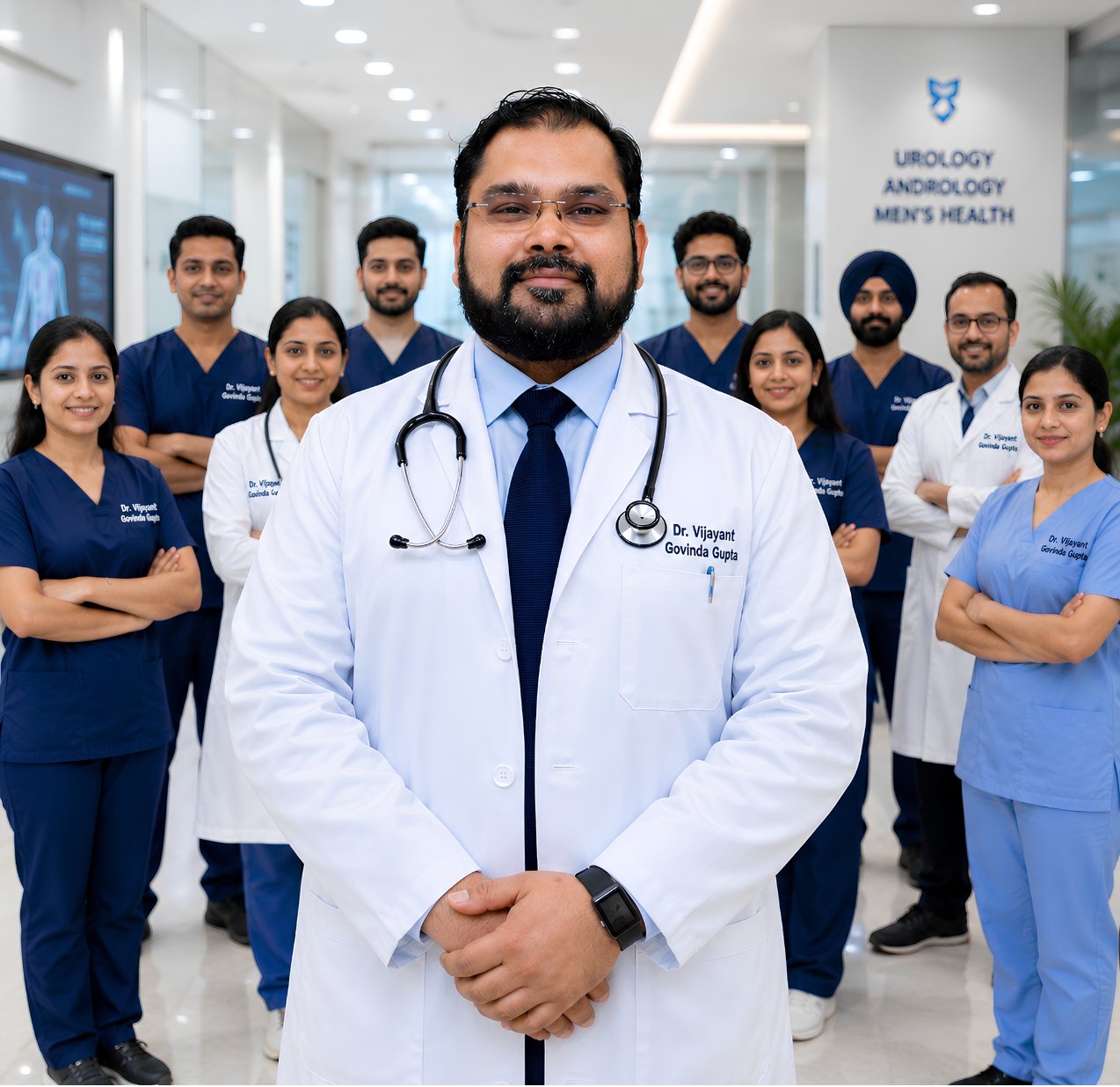
TURP for Enlarged Prostate
Treatment is planned after reviewing symptoms, urine flow, bladder emptying and prostate findings.
What Is TURP Surgery and How Does It Work?
TURP stands for Transurethral Resection of the Prostate. It is an endoscopic procedure used to remove prostate tissue that is narrowing the urinary passage because of BPH. The aim is to create more space for urine to pass from the bladder without removing the entire prostate.
TURP removes the prostate tissue causing the blockage
In BPH, enlarged prostate tissue can narrow the channel that carries urine from the bladder. During TURP surgery, the surgeon reaches this area through the urethra and removes the tissue responsible for the obstruction.
The instrument is passed through the urinary passage
A specialised endoscopic instrument is introduced through the urethra so the surgeon can reach the prostate without making a routine external abdominal incision.
Obstructing prostate tissue is removed
The tissue narrowing the urinary channel is gradually resected, creating a wider passage for urine to leave the bladder more freely.
A catheter is usually kept for a short period
After TURP surgery, a urinary catheter is commonly kept temporarily so urine can drain while the operated area begins to settle.
Urine flow is checked after catheter removal
Once the catheter is removed, urine flow and bladder emptying are observed before the patient continues the next stage of recovery.
TURP vs Laser Prostate Surgery in Delhi
TURP and laser prostate surgery are both endoscopic treatments used to relieve urinary blockage caused by an enlarged prostate. TURP removes obstructing prostate tissue using a resection technique, while laser procedures such as HoLEP use laser energy to treat the blockage. For patients considering TURP or laser prostate surgery in Delhi, the choice depends on prostate size, bleeding risk, medical history, severity of urinary obstruction and the findings during evaluation.
Who May Need TURP Surgery for an Enlarged Prostate?
TURP is usually considered when BPH is causing significant urinary obstruction and medicines are no longer giving enough relief. The decision is based on symptoms, urine flow, bladder emptying, previous urinary retention and any complications caused by long-standing prostate blockage.
Weak urine flow despite BPH medicines
The urine stream remains slow, weak or difficult even after an adequate trial of medicines for an enlarged prostate.
The bladder is not emptying properly
Ultrasound or post-void residual testing shows that a significant amount of urine continues to remain in the bladder after urination.
Repeated urinary retention or catheter use
TURP may be considered when urine has stopped completely and a catheter has been required to drain the bladder, particularly if the problem keeps recurring.
Urinary symptoms are disturbing daily life
Frequent urination, repeated night-time trips, straining or difficulty passing urine continues to disturb sleep, travel or normal day-to-day activities.
Recurrent urinary infections
Long-standing poor bladder emptying can contribute to repeated urinary infections in some men with prostate obstruction.
Complications from prolonged prostate blockage
Bladder stones or other problems related to long-standing urinary obstruction can change the treatment plan and make surgery more relevant.
TURP is not decided by prostate size alone
A large prostate does not automatically mean that TURP surgery is required. What matters is whether the enlarged prostate is actually obstructing urine flow, preventing the bladder from emptying or causing repeated problems despite appropriate treatment.
Tests Before TURP Surgery for an Enlarged Prostate
Before TURP is planned, the main question is whether the enlarged prostate is actually responsible for the urinary blockage. Tests help assess urine flow, prostate size, bladder emptying and other factors that may affect the choice between TURP, HoLEP or laser prostate surgery.
Prostate Ultrasound & Post-Void Residual
Ultrasound can measure prostate size and show how much urine remains in the bladder after urination. A high residual volume can be an important sign that the bladder is not emptying properly.
Uroflowmetry
Uroflowmetry measures the speed and pattern of the urine stream. A persistently low flow rate can support the diagnosis of significant urinary obstruction when interpreted with other findings.
Serum PSA
PSA may be reviewed when clinically appropriate. A PSA result is not interpreted on its own; age, prostate size, examination and other prostate findings also matter.
Urine Test
Urine testing may be advised to look for infection, blood or another urinary problem that could be contributing to symptoms or affecting the timing of surgery.
Blood Tests & Anaesthesia Assessment
Relevant blood tests and medical conditions are reviewed before surgery. This helps plan anaesthesia and identify issues such as anaemia, kidney problems, diabetes or other health concerns.
Current Medicines & Medical History
Prostate medicines, blood thinners, diabetes treatment, heart medicines and previous urinary procedures should be reviewed before TURP surgery is scheduled.
Already have prostate reports? You may not need every test repeated.
Bring recent ultrasound, PSA, uroflowmetry, urine reports and previous prescriptions to your consultation. Existing results can help show what is already known and which additional tests, if any, are actually required before TURP surgery.
Read about BPH & enlarged prostate treatment in DelhiThe evaluation also helps choose TURP or laser prostate surgery
TURP is not automatically selected for every enlarged prostate. Prostate size, severity of obstruction, bleeding risk, medicines, previous retention and overall health can influence whether TURP, HoLEP or another laser prostate surgery in Delhi is considered more suitable for the individual treatment plan.
TURP Surgery Cost in Delhi
The cost of TURP surgery in Delhi can vary from one patient to another. The final amount depends on the hospital, room category, investigations, anaesthesia, medicines, length of stay and the medical care required before and after prostate surgery.
This estimated range may change according to the patient's investigations, hospital requirements, health conditions and treatment plan. A final quotation is usually clearer after reports have been reviewed.
Hospital & Room Category
Hospital charges and the room selected during admission can affect the total prostate surgery cost.
Pre-Surgery Investigations
Blood tests, urine tests, ultrasound, uroflowmetry, PSA and medical clearance may contribute to the overall treatment cost.
Hospital Stay & Catheter Care
Length of stay and catheter requirements can differ depending on bleeding, urine flow and how recovery progresses after TURP.
Medicines & Medical Conditions
Diabetes, heart disease, blood-thinning medicines or other health conditions may change the preparation and care required.
TURP Cost Depends on More Than the Procedure Alone
The total TURP surgery cost in Delhi can include the procedure, anaesthesia, hospital stay, catheter care, investigations and medicines. Comparing only the operation charge may not show the complete expected expense.
TURP and Laser Prostate Surgery Can Have Different Costs
HoLEP and other laser prostate surgery in Delhi may involve different equipment, technology and hospital charges. The procedure is chosen according to prostate size, urinary obstruction, bleeding risk and clinical findings rather than cost alone.
Get an Estimate for TURP Surgery in Delhi
Send your available prostate reports for review. Once the likely procedure, investigations and hospital requirements are clear, a more relevant estimate for TURP or laser prostate surgery can be discussed.
TURP & Prostate Surgery Videos
Watch practical videos on TURP, laser prostate surgery, catheter care and recovery after prostate surgery.
TURP Surgery FAQs
Common questions patients ask about TURP surgery for enlarged prostate, including the procedure, catheter, recovery, sexual side effects and TURP versus laser surgery.
What is TURP surgery for enlarged prostate?
TURP stands for Transurethral Resection of the Prostate. It is an endoscopic procedure used to remove prostate tissue that is obstructing the urinary passage. The aim is to create a wider channel so urine can pass more freely from the bladder.
When is TURP surgery recommended?
TURP may be considered when an enlarged prostate is causing significant urinary blockage, medicines are not providing enough relief, the bladder is not emptying properly, or there have been problems such as repeated urinary retention, infections or other complications of obstruction.
Is there an external cut during TURP surgery?
TURP is generally performed through the natural urinary passage using an endoscopic instrument. A routine external abdominal incision is therefore not required for the procedure.
Is a catheter required after TURP surgery?
A urinary catheter is commonly kept for a short period after TURP. It allows urine to drain while the operated area settles. The timing of catheter removal depends on urine colour, bleeding, bladder function and the patient's recovery.
How long does recovery take after TURP?
Recovery is gradual. Many patients can return to light routine before the prostate area has completely healed, while heavy lifting and strenuous activity are usually restricted for longer. Burning, urgency or slightly pink urine may occur during early recovery and generally settles with healing.
Does TURP surgery affect sex life?
TURP can change ejaculation. Retrograde ejaculation, where semen passes backward into the bladder instead of coming out through the penis, is a recognised effect of the procedure. Concerns about erections, ejaculation or fertility should be discussed before surgery because individual circumstances differ.
What is the difference between TURP and laser prostate surgery?
Both TURP and laser prostate surgery are endoscopic treatments used to relieve obstruction from an enlarged prostate. They use different techniques to remove or enucleate obstructing tissue. Prostate size, bleeding risk, medical history, available technology and the surgeon's assessment help determine which approach is appropriate.
Can prostate tissue grow again after TURP?
TURP removes the part of the prostate causing obstruction rather than removing the entire prostate. Remaining prostate tissue can continue to change over the years, so urinary symptoms can occasionally return and may need reassessment.
How much does TURP surgery cost in Delhi?
The cost of TURP surgery in Delhi varies according to the hospital, room category, investigations, anaesthesia, medicines, length of stay and individual medical requirements. An accurate estimate is best given after the patient's reports and treatment plan have been reviewed.
Does every enlarged prostate need TURP?
No. Many men with an enlarged prostate can initially be managed with observation, lifestyle changes or medicines. TURP is considered when symptoms and objective findings show that prostate obstruction is significant enough to justify a surgical procedure.
Not sure whether TURP is the right treatment for you?
Bring your ultrasound, PSA, uroflowmetry or previous prescriptions for review. The need for TURP is decided after looking at your symptoms, urine flow, bladder emptying and prostate findings together.
Find us in Karol Bagh, New Delhi
Visit Govinda Healthcare for urology and prostate consultation. Use the map below for directions to the clinic.
Govinda Healthcare
Karol Bagh, New Delhi