

Kidney stones can cause severe pain, but finding a stone does not always mean you need surgery.
In many patients, especially when the stone is small, in a favourable position and not damaging the kidney, we first try to help it pass naturally. The focus is simple: keep the urine diluted, reduce the factors that promote stone formation and monitor the kidney properly.
Here are seven practical home measures I commonly discuss with kidney stone patients that may can help for kidney stone treatment.
1. Drink Enough Water
The first and most important step is proper hydration.
When you drink too little water, the urine becomes concentrated. Minerals such as calcium, oxalate, phosphate and uric acid can then come together and form crystals.
For example, a person weighing around 70 kg may need roughly 2.5–3 litres of fluids in a day, depending on weather, activity and overall health.
But more is not always better. You do not need to force five or six litres of water every day. The practical goal is to stay well hydrated and keep the urine reasonably clear.
2. Choose Clean Drinking Water
It is not only about how much water you drink. The quality of the water also matters.
In the video, I have emphasised using clean, safe drinking water and maintaining a healthy mineral balance rather than blindly drinking excessive amounts of water.
The simple takeaway is: drink safe water regularly through the day and avoid dehydration.
3. Reduce Your Salt Intake
If you already have a kidney stone, or stones keep coming back, take a close look at your salt intake.
Extra salt on food, pickles, packaged snacks and very salty meals should be reduced.
A high-salt diet can disturb the body’s mineral balance and may increase the tendency to form stones in susceptible patients.
This is one of the easiest changes you can start today.
4. Limit Excess Red Meat and Non-Veg
Non-vegetarian food is not automatically bad. Protein is an important part of a healthy diet.
The problem is eating too much, particularly red meat such as mutton.
Excess animal protein can increase uric acid load, which may contribute to stone formation in people who are already prone to kidney stones.
Eggs, fish and chicken can be taken in moderation as part of a balanced diet. The key word is moderation, especially if you are a recurrent stone former.
5. Maintain a Healthy Calcium and Vitamin D Balance
One common mistake patients make after hearing the words “calcium stone” is immediately stopping milk and calcium-containing foods.
That may not be the right approach.
Calcium, oxalate and Vitamin D are all connected with the body’s mineral metabolism. Instead of completely removing calcium from your diet, the goal should be to maintain a healthy balance.
If you have repeated kidney stones, your calcium and Vitamin D intake should ideally be adjusted according to your individual condition rather than by following random internet advice.
6. Stay Active and Keep Your Weight Under Control
Daily exercise is another important part of kidney stone prevention.
Regular physical activity helps keep your body weight, blood sugar, blood pressure and metabolism under better control.
Even simple activities such as walking and regular exercise can make a difference to your overall kidney health.
For selected patients with very small stones that are already suitable for natural passage, staying active may also support the natural stone-passing process. The video also discusses daily movement and jumping activity in this context.
7. Add Lemon and Citrus Fruits
Lemon is probably the most familiar home remedy for kidney stones, and there is a reason it is commonly discussed.
Lemon, lime, oranges, amla and other citrus fruits contain citrate.
A simple option is to drink unsweetened lemon water as part of your daily fluid intake.
In the video, I suggest using lemon water alongside good hydration as a practical measure for people prone to kidney stones.
Just remember: lemon water is supportive. It is not a guarantee that every kidney stone will dissolve or pass.
What If Home Remedies Are Not Working?
This is where many patients make a mistake.
They continue home remedies for weeks or months even when the stone is not moving.
If you have repeated severe pain, blood in the urine, kidney swelling, worsening kidney function or a stone that remains stuck, you should stop experimenting and see a urologist.
The priority is always to protect the kidney.
Medication Before Surgery
If the stone is suitable for conservative treatment, medication may be tried before surgery.
Depending on the case, medicines may be prescribed for pain relief and to support the natural passage of a small stone.
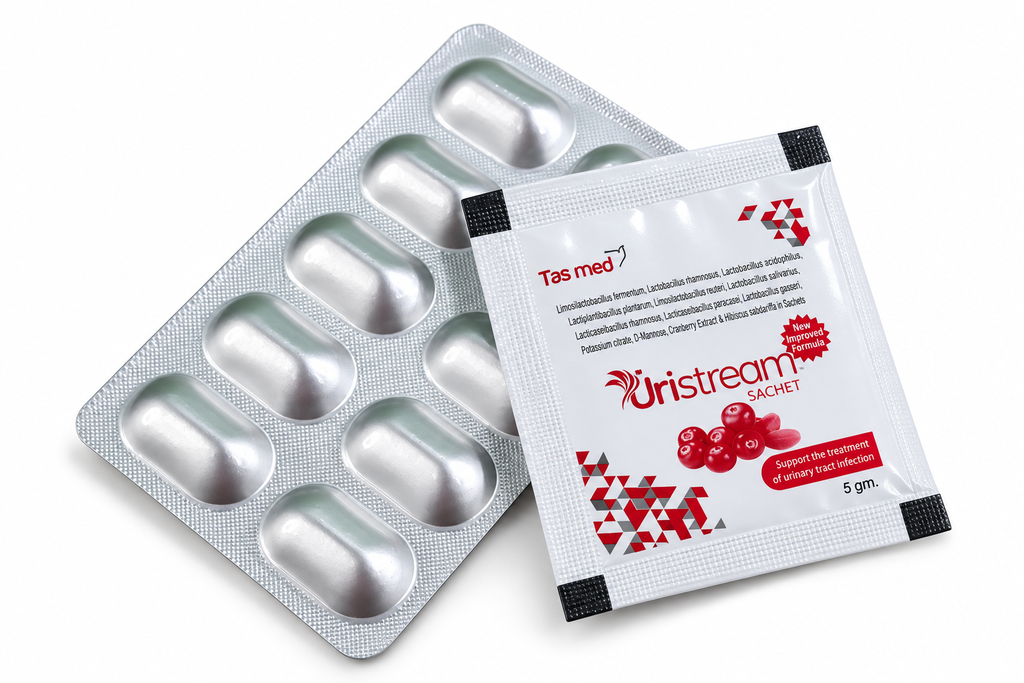
Uristream Sachet
In selected patients, Uristream Sachet may also be advised as part of supportive management for urinary and kidney stone problems.
It should be taken according to your doctor’s advice, particularly because treatment depends on the size, location and effect of the stone on the kidney.
Medication should not be used to delay treatment if the stone is causing obstruction or kidney damage.
When Is Surgery Needed?
If the stone does not pass with observation and medication, or if it starts affecting the kidney, a procedure may be required.
Fortunately, kidney stone surgery today is usually minimally invasive.
ESWL
ESWL or lithotripsy uses shock waves from outside the body to break suitable stones into smaller fragments.
RIRS
RIRS, or Retrograde Intrarenal Surgery, uses a thin flexible scope that travels through the natural urinary passage and reaches the kidney.
The surgeon can identify the stone and break it into smaller pieces without a traditional external surgical cut. The video specifically demonstrates RIRS as a modern option for kidney stones.
READ ALSO
Final Word
If you have a kidney stone, do not panic—and do not depend blindly on home remedies either.
Start with the basics: drink enough clean water, reduce salt, control excess red meat, maintain a healthy calcium balance, stay active and include citrus fruits in your diet.
If the stone is not passing, medication including supportive options such as Uristream Sachet may be considered under medical supervision.
And if the stone is stuck or the kidney is getting affected, modern treatments such as ESWL or RIRS can help remove it safely.
The goal is not simply to remove the stone.
The real goal is to remove the stone while protecting your kidney.


