
Kidney Stone Treatment In Delhi
Are you searching for a reliable and effective Kidney Stone Treatment in Delhi? Govinda Medicenter is a premier healthcare facility offering advanced and compassionate care for kidney stone removal. Equipped with state-of-the-art medical technology, our center provides precise diagnosis, personalized treatment plans, and comprehensive preventive strategies to minimize the chances of recurrence. At Govinda Medicenter, our multidisciplinary team is dedicated to ensuring a quick recovery with minimal discomfort, helping you return to your normal life faster.
What is Kidney Stones?
Kidney stones are hard, crystalline mineral deposits that form inside the kidneys, ranging in size from a tiny grain to a large pebble. While smaller stones may pass naturally, larger stones can obstruct the urinary tract, causing intense pain and serious complications. At Govinda Medicenter, we specialize in the advanced management of complex stones. If you are experiencing symptoms, our center provides the expert diagnostic care and clinical intervention necessary to ensure immediate relief and prevent long-term damage.
Common Symptoms of Kidney Stones:
- Severe pain in the lower back, side, or abdomen
- Painful or frequent urination
- Blood in the urine (pink, red, or brown)
- Nausea and vomiting
- Fever and chills (if an infection is present)
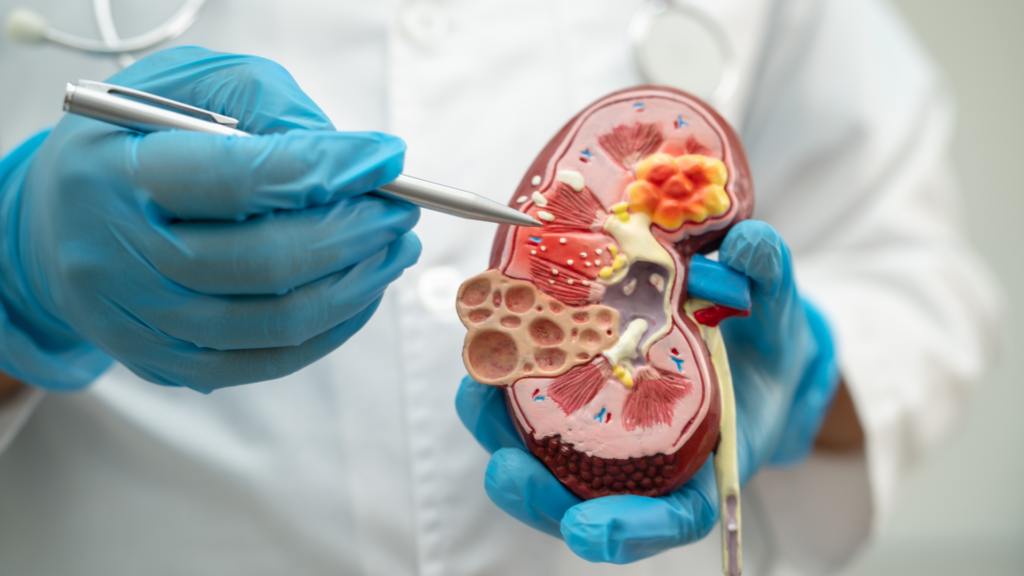
Kidney Stone Treatment Options In Delhi
We offer a comprehensive range of treatments, from non-surgical management to minimally invasive surgery, tailored to your specific needs based on the stone’s size, location, and type.
Non-Surgical Treatment and Prevention
For small kidney stones, or for patients who wish to postpone surgery, conservative management may be an option. This includes:
- Increased Hydration: Drinking up to 4 liters of water daily.
- Lifestyle Modifications: Reducing salt and red meat intake, and maintaining a healthy weight.
- Medication: Using prescriptions like Potassium Citrate or anti-uric acid therapy to help manage and dissolve certain types of stones.
Minimally Invasive Surgical Procedures
For stones that are too large to pass on their own, we specialize in the latest minimally invasive techniques to ensure effective removal with less pain and faster recovery.
- ESWL (Extracorporeal Shock Wave Lithotripsy) This completely non-invasive treatment uses high-intensity sound waves focused from outside the body to break the stone into small, passable fragments. ESWL is an excellent option that requires no incisions or anesthesia.
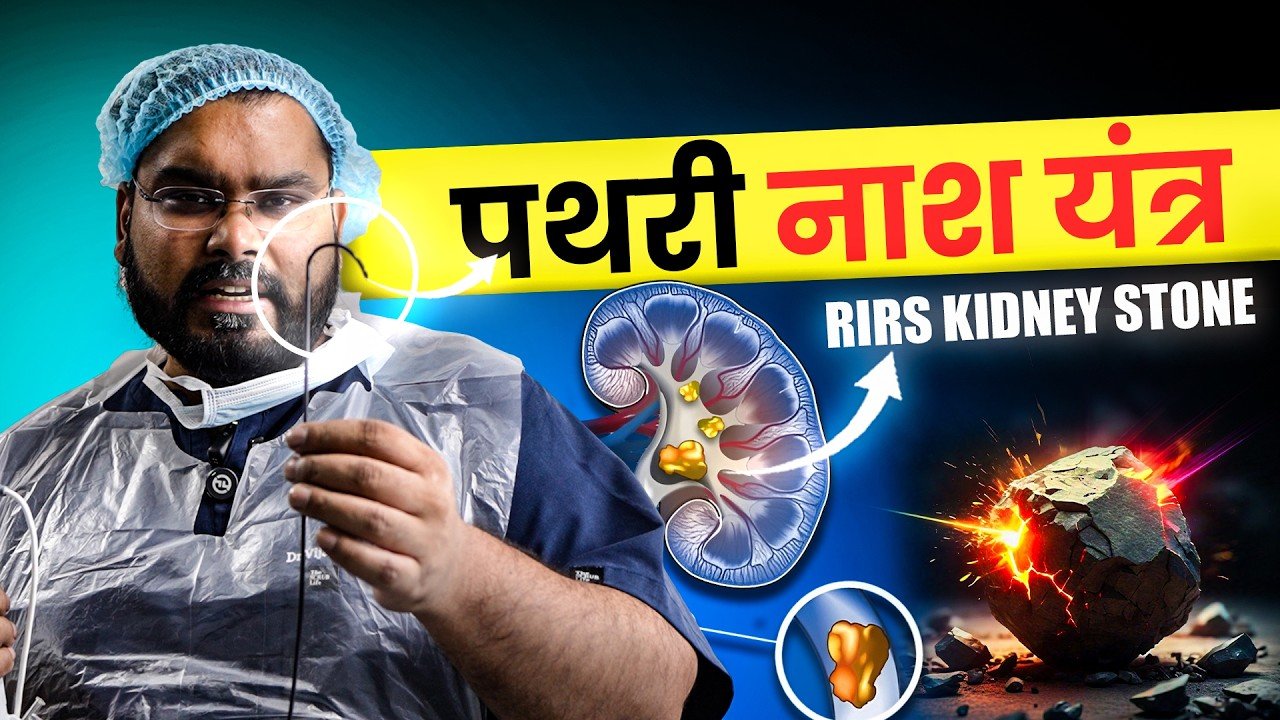
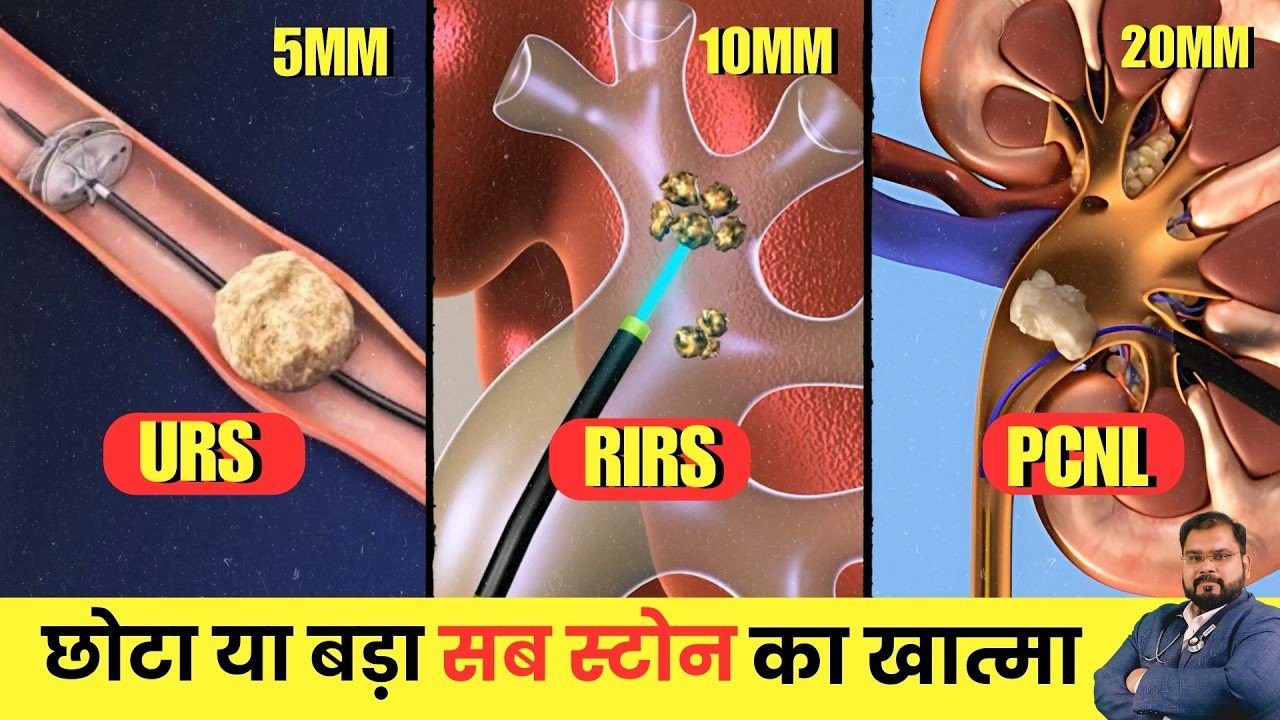
- RIRS (Retrograde Intrarenal Surgery) RIRS is a state-of-the-art procedure where a flexible ureteroscope is passed through the urinary tract into the kidney. A laser is used to break the stone into dust-like particles, which are then removed. With no incisions, RIRS offers minimal bleeding and a very quick recovery, making it ideal for stones in hard-to-reach areas.
- PCNL (Percutaneous Nephrolithotomy) PCNL is the gold standard for treating large kidney stones (greater than 2 cm). A small, 1 cm incision is made in the back, creating a direct tract to the kidney. A nephroscope is inserted to break up and remove the stone. We also offer Mini-PCNL, which uses even smaller instruments for less invasive treatment of smaller stones.
- URS (Ureteroscopy) For stones lodged in the ureter (the tube connecting the kidney and bladder), URS is the ideal treatment. A thin, rigid scope is passed through the urinary tract to the stone, where a laser or pneumatic device breaks it into small pieces for removal.
Videos On Kidney Stone Treatment
Kidney Stone Treatment Cost in Delhi
We are committed to providing transparent and affordable healthcare. The cost of treatment depends on the procedure required and the complexity of your case. All major insurance policies, TPAs, and panels are accepted.
| Treatment Procedure | Estimated Cost (INR) |
| URS Surgery | ₹50,000 – ₹75,000 |
| PCNL Surgery | ₹60,000 – ₹75,000 |
| RIRS Surgery | ₹65,000 – ₹75,000 |
| Laser Surgery | ₹60,000 – ₹90,000 |
Frequently Asked Questions
Diagnosis is made using a combination of a physical exam, urine and blood tests, and imaging studies such as an Ultrasound, X-ray, or a CT scan for detailed analysis.
Yes, small stones (less than 5mm) often pass naturally with increased water intake and medication. However, larger stones typically require medical intervention.
Recovery varies by procedure. For non-invasive treatments like ESWL, patients recover within a few days. For minimally invasive surgeries like RIRS or PCNL, most people can return to normal activities within one to two weeks.
The best preventive measure is to drink 3-4 liters of water daily. Reducing salt intake and avoiding foods high in oxalate (like spinach) can also help.
If you are experiencing symptoms of kidney stones, do not delay your treatment. Book an appointment at Govinda Medicenter for expert, patient-centric care in Delhi. Our hospital is equipped with the latest technology and a dedicated team of specialists to provide you with a safe, effective, and professional path to becoming stone-free.
BOOK APPOINTMENT WITH DOCTOR
visit our mens health website